Why a Sudden Spike in Your Water Bill Could Mean a Pool Leak
When your monthly water bill arrives higher than expected, it is easy to blame a long shower or extra loads of laundry. But for pool owners, a sudden and persistent increase often points to something more specific: water leaving the pool through a hidden leak. Understanding the connection between a rising water bill and a potential pool leak can save you from costly water waste and prevent damage to your property. This article explains what a rising water bill reveals about pool leaks, how to distinguish a leak from normal evaporation, and what steps you can take to confirm the problem.
How a Pool Leak Affects Your Water Bill
A swimming pool holds thousands of gallons of water. Even a small leak can release a surprising amount over a day or a week. For example, a leak that loses one-eighth of an inch of water per hour from a typical residential pool might not look dramatic, but it adds up to roughly 30 gallons per day. Over a month, that is nearly 900 gallons of extra water. Your water meter records every drop, and the utility company charges according to usage tiers. A leak that runs continuously can push a household into a higher billing bracket, which is why the water bill often provides the first clue that something is wrong.
The same principle applies to commercial pools, spas, and their connected plumbing. A leak in a circulation line or a return fitting may go unnoticed for weeks because the water level appears stable during daily use. However, the water meter does not lie. If your water bill shows a pattern of gradual or sudden increase that stays elevated even after you adjust your watering schedule or fix a dripping faucet, the pool system deserves a careful look.
Evaporation vs. a Real Leak
Before assuming a leak, it helps to understand normal water loss from evaporation. Pools lose water to the air every day, especially in warm, dry, or windy weather conditions. The rate depends on the pool surface area, water temperature, humidity, and wind exposure. A typical uncovered pool might lose between a quarter-inch and half-inch of water per week in moderate climates. During a hot, dry San Diego summer, that loss can reach three-quarters of an inch per week or more.
Evaporation is a natural part of pool ownership. But when the water loss exceeds what evaporation can explain, or when the loss continues at the same rate regardless of weather, a leak becomes likely. The bucket test is a simple way to separate the two. Fill a bucket with pool water to about the same level as the pool water. Mark the water line inside the bucket and the pool water line on the tile or skimmer. Wait 24 to 48 hours without heavy use, then compare the two. If the pool lost more water than the bucket, the difference points to a leak. If both dropped the same amount, evaporation is the culprit.

Reading Your Water Bill for Leak Clues
Your water bill can serve as a diagnostic tool. Compare the current month's usage to the same month in previous years. If the usage is noticeably higher and you have not added a new water feature, filled a new pool, or changed your household habits, the pool may be the source. Some water utilities provide daily or hourly usage data through an online portal. That data can show whether water consumption spikes during the night when no one is using the pool or doing laundry, which strongly suggests a leak in the pool's plumbing or structure.
Another check: turn off all water-using appliances and fixtures in the house, then note the water meter reading. Wait one to two hours without using any water, and read the meter again. If the reading changed, you have a leak somewhere. To narrow it down to the pool, you can repeat the test with the pool's autofill turned off. If the meter moves only when the pool system is running, the leak is in the pool or its plumbing. This method is effective but requires some care. A professional technician can perform a more precise pressure test on the plumbing lines to locate the exact point of failure.
Common Leak Locations in a Pool System
Leaks happen in predictable places. Knowing where to look helps you understand what your water bill might be telling you. The most common spots include:
- Skimmer and return fittings: Cracks or worn gaskets around the skimmer mouth or return jets allow water to escape into the surrounding soil.
- Plumbing lines: Underground pipes that carry water to and from the pump and filter can develop cracks from ground movement, tree roots, or age.
- Pool shell cracks: A crack in the plaster, fiberglass, or vinyl liner can leak water, especially if the crack extends below the water line.
- Light niches and steps: Water can seep out through the seal around a pool light or through gaps in step or bench structures.
- Autofill valve: A malfunctioning autofill can keep adding water even when the pool is full, causing a constant trickle that shows up on the bill.
Each of these locations has a different leak rate. A skimmer leak might lose a few gallons per day, while a cracked main drain line can lose hundreds. The higher the leak rate, the faster your water bill rises. If you suspect a leak but cannot find the source, a professional leak detection service can use specialized equipment to pinpoint it without excavation.
What to Do After You Spot a Spike
If your water bill has jumped and the bucket test suggests a leak, the next step is to confirm the location. Start by checking the obvious spots yourself. Look for wet areas around the pool equipment, soft spots in the ground near plumbing lines, or cracks in the pool surface. A simple dye test can help: add a few drops of food coloring or a pool dye tablet near a suspected fitting or crack. If the dye is pulled out of the pool, water is escaping there.
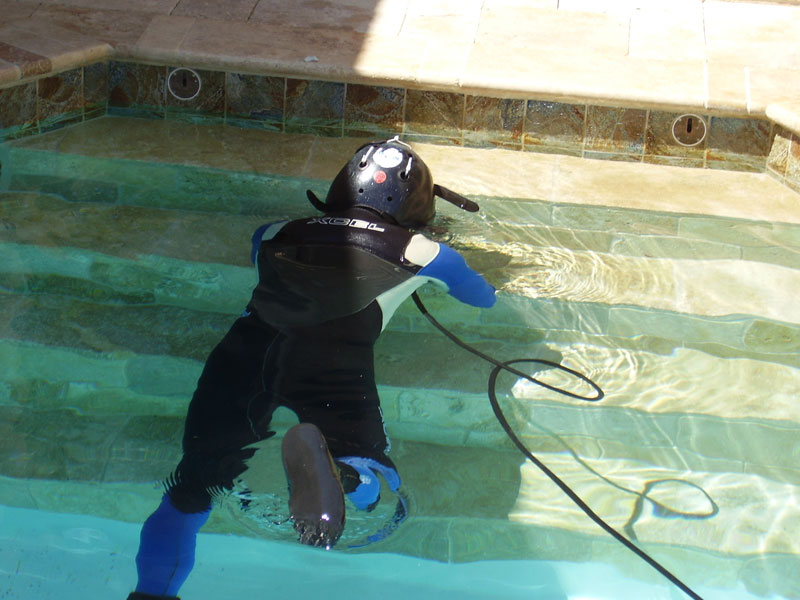
However, many leaks are not visible from the surface. A leak in an underground pipe or behind a light niche requires specialized tools such as a listening device or a pressure tester. In those cases, a professional can save time and prevent unnecessary digging. For residents of San Diego, sandiegopoolservice.net offers specialized leak detection for residential and commercial pools, spas, and related plumbing. Their technicians can trace the leak without damaging the pool deck or landscaping.
Once the leak is found, the repair depends on the location. A cracked fitting may need a new gasket or replacement of the fitting itself. A plumbing line leak often requires excavation and pipe repair. A crack in the pool shell may need structural patching and refinishing. All of these repairs are best handled by a qualified professional, especially if the work involves cutting into concrete, working with electrical components near water, or handling pressurized water systems. Attempting a DIY fix on a hidden plumbing line can cause more damage and cost more in the long run.
Preventing Future Leaks
Once your pool is leak-free, you can take steps to keep it that way. Regular maintenance of the pool equipment, including the pump, filter, and autofill, helps prevent small problems from becoming big ones. Checking the water level after heavy rain or strong winds can reveal a leak early. Monitoring your water bill each month gives you a baseline. If you see a spike, you will know to investigate promptly rather than let the leak run for weeks.
Another preventive measure is to keep an eye on the pool's water chemistry. Imbalanced water can corrode metal fittings and degrade seals over time, leading to leaks. Maintaining proper pH, alkalinity, and calcium hardness helps protect the pool's structure and plumbing. Regular inspection of the pool surface for cracks or chips, and prompt repair of any damage, also reduces the chance of a leak developing.
When to Call a Professional
Some leaks are simple enough for a homeowner to repair, such as replacing a worn gasket on a return jet. But many require specialized knowledge and equipment. If the leak is in an underground pipe, behind a light fixture, or inside a crack that keeps growing, a professional leak detection service is the safest and most effective option. For pool owners in San Diego, sandiegopoolservice.net provides specialized leak detection for residential and commercial swimming pools, spas, and related plumbing. Their technicians can identify the leak's exact location and recommend the appropriate repair.
Ignoring a leak rarely saves money. The water bill will keep climbing, and the water loss can damage your pool's foundation, erode the soil beneath the deck, or cause a larger structural failure. Early detection saves water, money, and hassle. A rising water bill is not just an annoyance. It is a signal worth listening to.